How 3D Nickel Label Enhances Premium Branding and Product Durability
Mar.26, 2026
Abstract
In highly competitive markets, product differentiation is no longer optional—it is essential. A 3D Nickel Label offers a sophisticated solution by combining precision engineering, durability, and visual appeal. This article explores how 3D nickel labels are manufactured, why they outperform traditional labels, and how businesses can leverage them to elevate brand perception while solving common challenges such as fading logos, poor adhesion, and limited design flexibility.
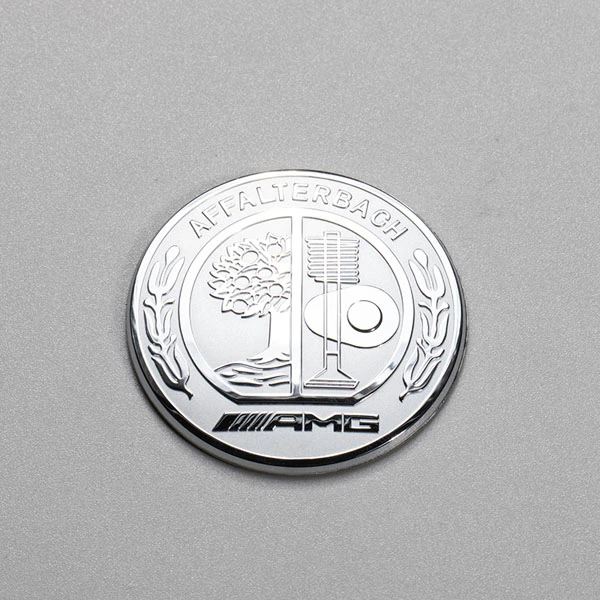
Table of Contents
- Introduction
- What Is a 3D Nickel Label?
- How the Electroforming Process Works
- Key Benefits of 3D Nickel Labels
- Applications Across Industries
- Comparison Table: 3D Nickel Labels vs Traditional Labels
- How to Choose the Right 3D Nickel Label
- Common Customer Pain Points and Solutions
- Why Choose Minghong
- FAQ
- Conclusion
Introduction
Modern consumers associate product quality with visual and tactile cues. Flat, printed labels often fail to communicate durability or premium value. Businesses increasingly turn to 3D Nickel Label solutions to achieve a metallic, embossed look that reinforces brand identity while withstanding harsh environments.
Whether used on electronics, cosmetics, or automotive parts, these labels provide a combination of elegance and resilience that traditional labeling methods struggle to match.
What Is a 3D Nickel Label?
A 3D Nickel Label is a metal-based logo or badge created through an advanced electroforming process. Unlike printed or stamped labels, it features raised surfaces, fine detailing, and a metallic finish that gives a premium, three-dimensional appearance.
These labels are typically ultra-thin yet highly durable, making them suitable for both decorative and functional branding applications.
How the Electroforming Process Works
The core technology behind 3D nickel labels is electroforming, a process where metal ions are deposited onto a mold surface layer by layer using electrical current. :contentReference[oaicite:0]{index=0}
- A conductive mold is prepared with the desired design
- Nickel ions are deposited atom by atom onto the mold
- A precise metal layer forms, replicating intricate details
- The finished metal label is separated and processed
Nickel is particularly suited for this process due to its durability, corrosion resistance, and ability to replicate extremely fine structures with high precision. :contentReference[oaicite:1]{index=1}
Key Benefits of 3D Nickel Labels
- Premium Appearance: Metallic finish and 3D depth create a high-end look
- Exceptional Durability: Resistant to corrosion, UV exposure, and wear :contentReference[oaicite:2]{index=2}
- Ultra-Fine Detail: Capable of replicating complex logos with precision
- Lightweight Structure: Thin yet strong, ideal for modern product design
- Versatile Application: Can be applied to plastic, glass, metal, or wood
- Flexible Customization: Shapes, sizes, and finishes are fully customizable
Applications Across Industries
3D nickel labels are widely used across multiple sectors due to their adaptability and performance.
- Consumer electronics (phones, laptops, headphones)
- Automotive branding (interior and exterior badges)
- Cosmetic packaging (luxury bottles and containers)
- Home appliances
- Gift boxes and premium packaging
- Sports equipment and accessories
Their ability to adhere to diverse surfaces while maintaining visual integrity makes them a preferred choice in both decorative and industrial applications. :contentReference[oaicite:3]{index=3}
Comparison Table: 3D Nickel Labels vs Traditional Labels
| Feature | 3D Nickel Label | Traditional Printed Label |
|---|---|---|
| Appearance | Metallic, embossed, premium | Flat, limited visual impact |
| Durability | High resistance to wear and corrosion | Prone to fading and peeling |
| Detail Precision | Extremely high | Moderate |
| Material Strength | Strong and long-lasting | Weak under harsh conditions |
| Customization | Highly flexible | Limited |
How to Choose the Right 3D Nickel Label
Selecting the right label requires a strategic evaluation of your product and branding goals:
- Surface Compatibility: Ensure proper adhesion to your product material
- Thickness Requirements: Balance flexibility and rigidity
- Finish Type: Brushed, glossy, matte, or colored accents
- Environmental Exposure: Consider UV, moisture, and temperature
- Brand Positioning: Align design with premium or functional branding
Common Customer Pain Points and Solutions
Pain Point 1: Labels fade or peel over time
Solution: Nickel’s corrosion resistance and strong adhesion ensure long-lasting performance.
Pain Point 2: Lack of premium appearance
Solution: The 3D metallic finish immediately enhances perceived product value.
Pain Point 3: Limited design flexibility
Solution: Electroforming allows intricate, custom designs with high precision.
Pain Point 4: Inconsistent quality across batches
Solution: Advanced manufacturing ensures uniformity and repeatability.
Why Choose Minghong
Minghong specializes in high-quality 3D nickel label manufacturing, combining advanced electroforming technology with strict quality control. With years of industry experience, Minghong delivers:
- Custom design solutions tailored to your brand
- Consistent production quality
- Fast turnaround and global delivery
- Professional technical support
Their expertise ensures that every label not only meets but exceeds industry expectations in both performance and aesthetics.
FAQ
Q1: Are 3D nickel labels waterproof?
Yes, they are highly resistant to water, UV exposure, and environmental damage.
Q2: Can they be used on curved surfaces?
Yes, their thin structure allows flexibility for slightly curved applications.
Q3: How are they installed?
Most labels use strong adhesive backing such as 3M tape for easy application.
Q4: Are they environmentally friendly?
Modern manufacturing processes focus on reducing waste and improving material efficiency.
Q5: What industries benefit the most?
Electronics, automotive, cosmetics, and luxury packaging industries gain the most value.
Conclusion
A 3D Nickel Label is more than just a branding element—it is a strategic investment in product quality, durability, and visual identity. By leveraging advanced electroforming technology, businesses can achieve unmatched precision and long-lasting performance.
If you are looking to upgrade your product branding and stand out in competitive markets, Minghong offers reliable, high-quality solutions tailored to your needs.
Explore more or contact us today to start customizing your premium 3D nickel labels and elevate your brand to the next level.